Art therapy in addiction and trauma treatment
Art therapy is a mental health profession in which a trained therapist uses drawing, painting, clay and other art-making to help people work through problems they find hard to put into words. You do not need any art skill, and it is usually one part of a treatment plan, not the whole of it.
Updated
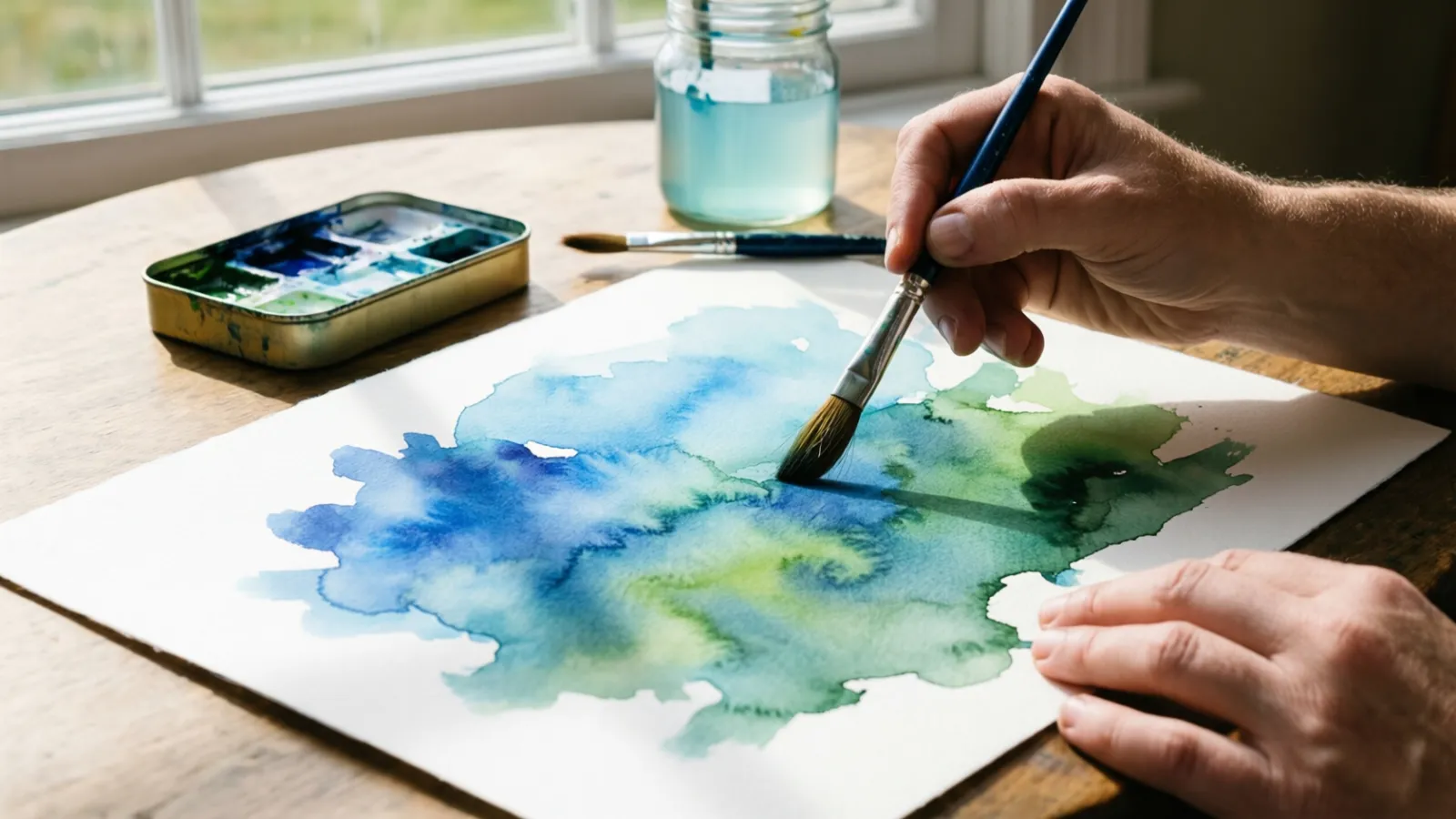
Some treatment programs in Virginia list art therapy among their services, and some people look for an art therapist on their own. This page explains what you are getting, what to expect in a session, and how much weight the research can bear.
What art therapy is
Art therapy is a credentialed mental health profession. An art therapist has a master’s degree in art therapy or a closely related field, including training in psychology, counseling and the use of art materials in therapy, plus supervised clinical hours.
The American Art Therapy Association (AATA) is the professional body in the United States. The Art Therapy Credentials Board (ATCB) grants the main national credentials: ATR (Registered Art Therapist) after the required education and supervised experience, and ATR-BC (Board Certified) after passing a national exam on top of that.
Professional regulation also happens at the state level. Virginia’s Board of Counseling, part of the Department of Health Professions (DHP), has an Advisory Board on Art Therapy, and the state regulates the profession through that board. Check the DHP license lookup to confirm a Virginia art therapist’s current status, and the ATCB’s online verification for their national credential.
How it differs from an art class
An art class teaches technique, and the goal is a better picture. In art therapy the picture is a way into a conversation, and how it looks does not matter.
| Art class | Art therapy | |
|---|---|---|
| Led by | An artist or teacher | A trained, credentialed therapist |
| Goal | Learn skills, make good work | Understand and change feelings, thoughts and behaviour |
| Talking | About technique | About what came up while making the work |
| Privacy | None expected | Confidential, like other therapy |
| Treatment plan | No | Yes, with goals reviewed over time |
Art activities in a recovery program led by staff who are not art therapists can still be worthwhile. They are just not art therapy.
What a session looks like
Sessions are often 45 to 60 minutes, one to one or in a group. In a day treatment or intensive outpatient program, a group art therapy session might be one block of the day.
A typical session goes like this:
- A short check-in about how the week has gone.
- A prompt, or free choice. Examples: draw what a craving feels like in your body; make a collage of what your life looked like before and after; use clay to build a place where you feel safe.
- Time to make the piece, usually in silence or with quiet music.
- Talking about the work with the therapist or group. The therapist asks questions rather than interpreting the art for you.
- Closing, sometimes with a plan for the week.
Your artwork is usually kept by you or stored securely by the therapist, and treated as part of your confidential record.
What the evidence does and doesn’t show
Research on art therapy is growing but still limited. Many studies are small, lack a comparison group, or measure outcomes over a short time. That makes it hard to say how much art therapy itself helps, compared with simply having regular contact with a caring professional.
Reasonable conclusions from the research so far:
- People in treatment often report that art therapy helps them express feelings, lowers stress and makes them more willing to stay in a program.
- Some studies show improvements in mood, anxiety and trauma symptoms, but results vary and the quality of evidence is mixed.
- There is no good evidence that art therapy alone treats a substance use disorder.
Treatments with the strongest evidence for addiction remain medications (for opioid and alcohol use disorders) and behavioural therapies such as cognitive behavioural therapy and contingency management. For trauma, therapies like cognitive processing therapy and prolonged exposure have the strongest support. Art therapy is best treated as a helpful addition.
Its role alongside addiction and trauma treatment
Art therapy can help most when talking is hard. People with trauma sometimes find that words shut down while their hands keep going. Teenagers who won’t say much in talk therapy may engage with clay or markers. Early in recovery, when emotions are raw and confusing, a drawing can give a person and their therapist something concrete to discuss.
In practice, art therapy is usually part of a wider plan that might include medication for opioid use disorder, individual counseling and group therapy in an outpatient or day treatment program. A good art therapist coordinates with the rest of your care team, with your permission.
How to find a credentialed art therapist
- Ask your current treatment program whether its art therapy is led by an ATR or ATR-BC.
- Use the AATA’s art therapist locator or the ATCB’s credential verification.
- Check the Virginia DHP license lookup.
- Ask your Community Services Board, especially if you are looking for group programs.
Questions to ask an art therapist:
- What credentials do you hold, and can I verify them?
- Have you worked with people dealing with substance use or trauma?
- Do you coordinate with my counselor or prescriber?
- How long do you expect we’d work together, and how will we know it’s helping?
Cost and coverage
Coverage depends on how the service is billed. When an art therapist who also holds a license such as Licensed Professional Counselor provides psychotherapy, insurance often treats it like any other therapy session. When art therapy is part of a day treatment or intensive outpatient program, it is usually included in the program’s overall charge.
Private-pay art therapy is priced like other therapy and varies by area. Ask your plan, or for Virginia Medicaid your health plan’s member services, whether a particular therapist’s services are covered. More detail is on paying for treatment.
Sources
Read next
- Outpatient and intensive outpatient treatment How outpatient and intensive outpatient (IOP) treatment work, what sessions involve, medication for OUD, telehealth and how to find a program in Virginia.
- Day treatment and partial hospitalization What day treatment and partial hospitalization (PHP) involve, hours, a sample day, who they suit, therapeutic day treatment for Virginia youth and what to ask.
- Treatment levels and support services, explained How outpatient, intensive outpatient, day treatment, residential and inpatient care differ in Virginia, plus support services and how people move between them.